Food Isn't Just About Nutrition for People with Diabetes


March is National Nutrition Month, but when it comes to food and diabetes, it’s not just about nutrition. If your relationship with food and diabetes makes you feel like you’re dating Steven DeMarco, I beg you to keep reading.
Food isn't just about nutrition for people with diabetes: it's usually so much more
Food isn’t just food for people with diabetes
Sometimes, it’s medicine.
Sometimes, it’s guilt.
Sometimes, it’s shame.
Sometimes, it’s confusion and trickery.
Often, it’s a choice that impacts the rest of your day. Often, it’s not as enjoyable or fulfilling as it should be, because it requires more thinking, planning, and strategy when you live with diabetes.
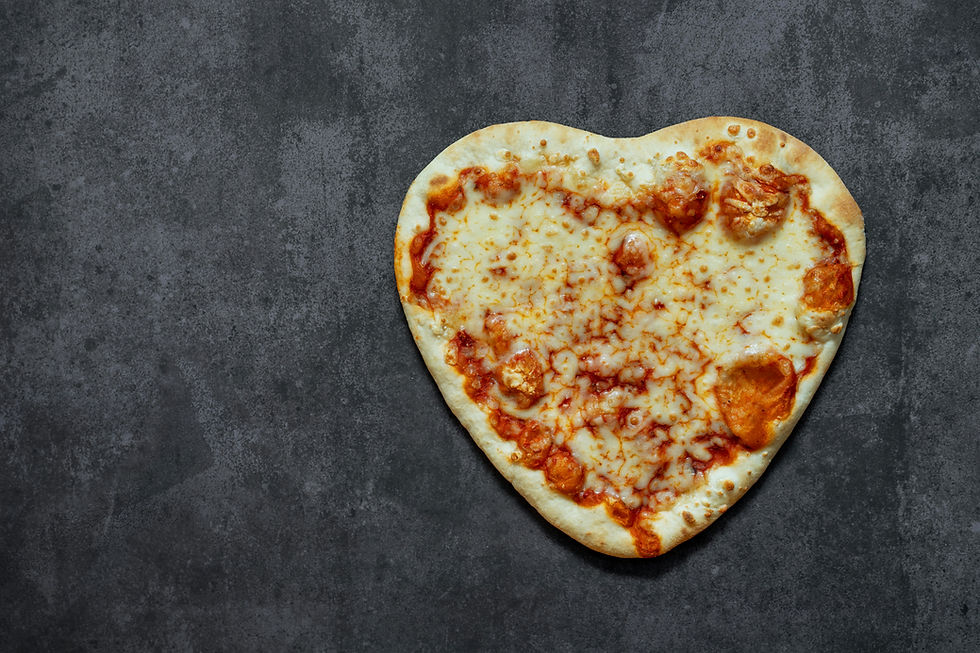
Sometimes foods like donuts, pizza, and pasta are worth it, and other times we avoid them. Why? Because even when you’re a solid self-manager, diabetes throws mean curveballs.
Sometimes, our medicine is a bag of Sour Patch Kids that asks us to wait 15 minutes before we have more if our blood sugar is still low.
Sometimes, our food looks like a big bowl of pasta with a glass of wine. Not because we earned it with exercise. Just because. Because it should be that simple.
Sometimes, it’s a plate of nachos that doesn’t land quite as expected, but you forgive yourself, recognize how you could have navigated the dish differently, and move forward. You don’t avoid it forever. You just get more proactive.
Sometimes, it’s a bowl of chocolate mousse. No explanation required. Just a treat you deserve.
And guess what? You can enjoy these foods and still have a solid A1C and strong time-in-range. Will you be perfect? No. But no one is.
You're not a "bad diabetic" for eating certain foods
Enjoying foods like this doesn’t make you a “bad diabetic.”
I’ve spent over 22 years learning how to enjoy the foods I love while living with type 1 diabetes (T1D) and healing my relationship with food without wild blood sugar spikes and crashes. Sure, we can’t eat these things all the time. But no one should.
Our bodies need nurturing, and that usually doesn’t come from what falls into our 20 percent. Let me explain.
After I was diagnosed at age 10, I was afraid to eat sweets and carbs. I thought I would die if I did. For dessert, I only ate apples. That lasted about two years. Then I said, “Enough. If I can learn how to dose my insulin for an apple, I can dose for birthday cake once a year.”
From there, I figured out how to have my cake and eat it too, without my blood sugars going bananas.
Do I always get it right? No. Is that okay? Yes.
Set a rule for yourself that feels doable
I follow an 80/20 approach with my nutrition. It works for me. It might not work for you, and that’s okay. Diabetes is individual, so the way you manage it should reflect you.
Eighty percent of the time, I eat in a way that feels grounding and supportive. Twenty percent of the time, I step outside of my routine without shame, judgment, or guilt.
That balance makes my mind and body feel good. I'm not about rigidity here. I'm about what works. And I've rarely seen hyper-restriction work. It's not good for the body or soul.
I don’t believe any food has to be completely off-limits with diabetes. I don’t believe in assigning moral value to food. That mindset creates a high-pressure, toxic relationship with eating that no one deserves.
Hyper-restriction and moral labeling can open the door to disordered eating.
Speak to yourself kindly when it comes to food: nothing's that deep in the end
How you treat your body and what you tell your mind matters when it comes to nutrition and diabetes. There are no “bad” foods. There are some less supportive ones, yes.
But more often, there are poor strategies and outdated advice telling us to eat perfectly 100 percent of the time, while ignoring that we are human and that our sanity requires sustainability.
Is that actually easier to go "completely clean" anyway? I don’t think so.
Would I recommend that? Also no.
You're allowed to love food
I love salads.
I love protein bowls.
I love poke bowls.
I love Khao soi.
I love gluten-free cakes and donuts.
I love iced matcha.
I love chocolate mousse.
I love tacos.
I love pasta and pizza.
I love breakfast for dinner.
I love ice cream.
I love dark chocolate.
I love a glass of prosecco.
I love smoked meats.
I love fresh salmon.
You’re allowed to love the foods you love, too. Diabetes shouldn’t steal the joy from eating. If it does more days than not, something needs to shift.
Moderation really works
I enjoy all of it by practicing moderation, moving my body daily in ways I genuinely enjoy, paying attention to serving sizes, using my carb calculator on my InPen, reading nutrition labels so I know what I’m choosing, making smart swaps when I’m okay skipping the real thing, and giving myself permission to simply enjoy the real thing when that’s what I want.
It’s not uncommon to have a strained relationship with food and diabetes, especially if you’re a woman.
When I work with people who feel tangled up in this, it’s rarely just about carbs and sweets. It’s about control, fear, shame, judgment, and exhaustion. Sometimes trauma. It’s about a nervous system that never fully powers down.
Your relationship with food and diabetes shouldn’t feel like dating a walking red flag. It should feel steady. Accountable, yes. But also compassionate. Stable. Honest. No mind games. At first, the absence of chaos might feel unfamiliar. Over time, you’ll realize peace was what you were craving all along.
Peace with food and diabetes is what you deserve
Peace with food and diabetes doesn’t magically appear. It’s built from the inside out.
It starts with awareness. It grows when you ask for support. It strengthens when you learn the skills and practice them. You don’t stumble into peace. You train for it.
I know nutrition doesn’t feel like just food sometimes. But it also doesn’t have to feel like a battlefield. If you’re willing to put in the effort, it can feel lighter.
If you’re looking for support as you work on your relationship with food and diabetes, you can explore the Chronically Courageous coaching programs. Sessions start at $45, with a 10% savings available when you purchase a full program upfront.
Disclosures:
Health coaching is designed to be educational and supportive. It is not a substitute for medical or mental health care and should not replace the guidance of your physician or a licensed provider. There are no guarantees of specific outcomes. All medical decisions and insulin adjustments should be made in collaboration with your healthcare team.
This article reflects the author's personal experiences and opinions and does not constitute medical advice.